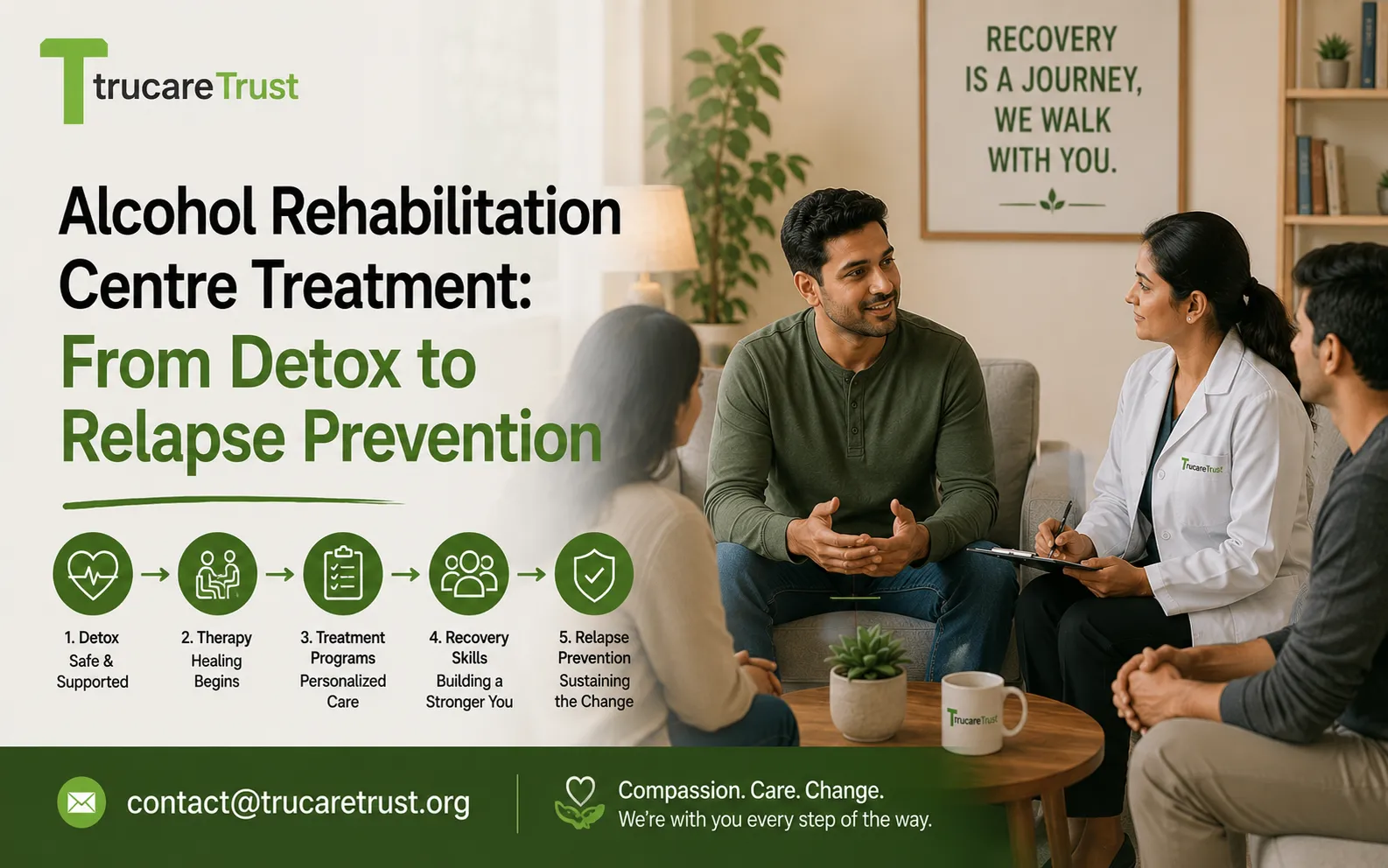

Effective alcohol treatment is a connected process, not a single detoxification procedure. An alcohol rehab centre in Mumbai should assess medical risk, address the reasons drinking continues and prepare the person for life after discharge. Each stage must reflect individual health, circumstances and recovery goals.
Comprehensive Assessment
Treatment begins with questions about drinking patterns, withdrawal symptoms, previous attempts to stop, physical illness, medicines, mental health, family relationships and daily responsibilities. Clinical staff may check vital signs and recommend laboratory investigations or hospital evaluation when required.
This assessment helps determine whether the person needs medically supervised withdrawal, residential rehabilitation or outpatient care. It also identifies conditions such as depression, anxiety, trauma or liver disease that may affect the plan.
Medically Supervised Detoxification
Alcohol withdrawal can range from disturbed sleep and shaking to seizures, hallucinations and delirium. A clinician should assess risk before alcohol is stopped. Medication may be prescribed to reduce complications, manage symptoms or correct nutritional deficiencies.
Detoxification usually occupies the early phase of treatment, but symptom timing differs considerably. A comfortable first day does not guarantee that later withdrawal will remain mild. Severe confusion, seizures or rapidly worsening symptoms require emergency medical care.
Detox removes alcohol from the body; it does not by itself change cravings, coping habits or environmental triggers. Without continuing treatment, the factors that supported drinking remain largely untouched.
Psychological Treatment and Recovery Skills
Individual counselling helps the person examine triggers, consequences, beliefs about alcohol and previous relapse patterns. Cognitive and behavioural approaches can strengthen refusal skills, emotional regulation and problem-solving. Motivational methods help resolve uncertainty without humiliation or confrontation.
Group therapy reduces isolation and allows residents to practise honest communication. Sessions may address stress, anger, grief, relationships and high-risk situations. Therapy should be delivered by trained professionals and adapted when someone has trauma, cognitive difficulty or another psychiatric condition.
Medication and Co-Occurring Conditions
Some medicines can support alcohol recovery by reducing cravings or helping maintain abstinence. Suitability depends on medical history, liver and kidney health, other medicines and the person’s treatment goals. Medication must be prescribed and reviewed by a qualified clinician.
Depression, anxiety or psychosis should not be dismissed as weakness. Treating co-occurring conditions can improve safety and make sustained recovery more achievable.
Regular reviews should examine sleep, cravings, mood, participation and readiness for discharge, allowing the plan to change when new risks or needs become apparent during treatment.
Family Participation
With the resident’s consent, family sessions can address communication, financial enabling, broken trust and boundaries. Relatives learn to support treatment without constant surveillance or repeated rescue from consequences. Family involvement should never override confidentiality or the person’s dignity.
Relapse Prevention and Aftercare
Before discharge, the person should identify warning signs, high-risk situations and practical responses. A written plan may include follow-up counselling, medical reviews, prescribed medication, peer support, structured routines and emergency contacts.
The National Institute on Drug Abuse estimates that relapse rates for substance-use disorders are approximately 40% to 60%, similar to several chronic illnesses. Relapse therefore signals a need to review care, not proof of moral failure.
When evaluating an alcohol rehab centre in Mumbai, families should examine the entire treatment pathway. Safe withdrawal matters, but lasting improvement depends on therapy, family preparation, continuing care and early action when warning signs return.