Key Takeaways
-
AI and analytics-driven HCM systems deliver smarter insights and improve operational efficiency for HR teams.
-
Flexible staffing solutions and scalable cloud-based platforms help businesses navigate workforce fluctuations.
-
Unified HCM platforms offer streamlined HR processes, supporting smooth compliance and higher employee engagement.
The digital age has pushed organizations to rethink how they manage human capital, requiring innovative solutions that keep pace with workforce changes. Companies need flexible, intelligent systems in place not only to attract and retain top talent but also to optimize HR operations and drive business value. As workforce demands shift, adopting advanced enterprise HCM software is no longer optional. It is a necessity for competitive organizations looking to future-proof their talent strategy and cultivate a responsive business environment.
Modern Human Capital Management platforms are rapidly integrating artificial intelligence, analytics, and unified workflows, enabling organizations to anticipate workforce trends and respond with agility. The need for technology-driven HCM solutions has never been greater, as global enterprises and mid-market businesses alike seek to enhance decision-making and ensure compliance. In this article, we examine the pillars of modern HCM strategies and how businesses can align with the evolving demands of employees and regulators.
Embracing AI-Driven HCM Platforms
The integration of artificial intelligence into human capital management is fundamentally changing traditional HR practices. AI-powered tools help automate repetitive administrative tasks such as scheduling, payroll, and benefits management, freeing up HR professionals to focus on strategic decision-making. Predictive analytics embedded in these systems enables organizations to anticipate talent shortages, identify top performers, and tailor employee engagement initiatives.
According to BusinessWire, nearly two-thirds of enterprises are expected to have adopted AI-enabled HCM software by 2027. This rapid shift highlights the value of adopting forward-thinking solutions that continuously learn and adapt to changing workforce dynamics.
Implementing Flexible Staffing Models
Changes in technology, business demands, and employee expectations have driven organizations to look for workforce solutions that support agility and cost efficiency. Flexible staffing models—ranging from on-demand workers to hybrid teams—allow companies to scale up or down with minimal friction. This approach not only reduces operational costs but also helps businesses better utilize resources and adapt quickly to changing market conditions.
For example, industries experiencing seasonal spikes or sudden shifts in customer demand benefit significantly from a workforce that can adjust in real time.
Leveraging Unified HCM Platforms
Many businesses are making the switch to unified HCM solutions that bring payroll, benefits administration, workforce analytics, and performance management under one platform. This consolidation of HR functions improves data accuracy, enhances visibility, and simplifies reporting. Unified frameworks also facilitate better compliance with regional and international labor standards by centralizing data management and automating required documentation. In a recent development, ADP unveiled a global workforce management suite integrated across its HCM offerings, setting a precedent for streamlined HR processes worldwide.
Prioritizing Employee Development and Engagement
Modern HCM platforms prioritize people development through personalized learning paths, mentorship programs, and career planning tools. By tailoring growth opportunities to individual strengths and career aspirations, these systems boost both employee morale and retention. Employees value organizations that invest in their continuous learning and offer recognition for achievements. A focus on engagement not only fosters loyalty but also increases productivity, as workers feel empowered to contribute their best work.
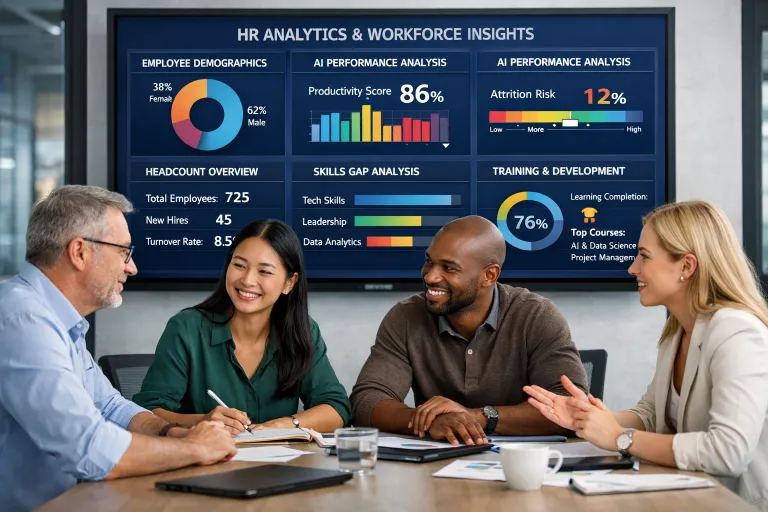
Furthermore, companies are increasingly leveraging HCM tools to monitor engagement in real-time and gather actionable feedback. Through pulse surveys and engagement analytics, leaders can pinpoint specific areas where employee sentiment might be declining and respond proactively. This data-driven approach enables more targeted initiatives—such as peer recognition platforms, flexible scheduling options, and mental well-being resources—that further strengthen the bond between employer and employee, aligning personal goals with organizational growth. Employers are also recognizing the importance of a connected, purpose-driven culture in retaining valuable talent, especially as generational shifts bring new expectations to the workplace.
Ensuring Compliance with Evolving Regulations
Keeping up with constantly shifting labor laws and regulatory requirements is a complex challenge for HR leaders. Advanced HCM systems provide automated compliance tools, timely alerts for changing requirements, and built-in reporting capabilities. These features reduce the risk of non-compliance, mitigate the chances of legal penalties, and foster a culture of transparency. Maintaining rigorous compliance standards helps protect the organization’s brand and ensures fair treatment for employees across regions and jurisdictions.
Additionally, global workforces must contend with varying employment standards, tax codes, and privacy legislation. The best HCM solutions include localization features and adaptable workflows to ensure consistency and fairness across borders. Administrators gain peace of mind from rule-based automations that track mandatory filings, monitor working hours, and update contract terms as laws evolve. An investment in compliance tools today offers long-term security and stability for companies expanding across new markets or integrating remote employees from diverse locations.
Enhancing Decision-Making with Real-Time Analytics
Access to live data and analytics allows HR leaders to make decisions based on current workforce trends and performance indicators. Real-time dashboards and forecasting models support strategic workforce planning, from identifying talent gaps to optimizing resource allocation. Leveraging analytics also enables organizations to design more effective recruitment campaigns, monitor employee satisfaction, and plan for succession. Informed decision-making leads to stronger business outcomes and positions companies to innovate for the future.
Dashboards, visualizations, and scenario modeling features are empowering HR professionals to identify both risks and opportunities in complex workforce environments. By visualizing performance metrics across various departments or functions, leadership can act swiftly to adjust training investments, increase headcount in areas experiencing rapid growth, or reallocate resources away from underperforming initiatives. By forecasting the downstream impact of HR decisions, organizations are better prepared to align talent strategy with business goals and maintain a sustainable competitive advantage amid evolving market pressures.
Conclusion
Organizations that embrace modern HCM solutions—integrating artificial intelligence, scalable staffing, and unified HR functions—are best equipped to address the constantly evolving needs of the workforce. By strategically investing in advanced technologies and fostering employee-centric cultures, companies can achieve sustained growth, maintain compliance, and build a resilient talent pipeline for tomorrow’s challenges.